Newsletter
JTF Newsletter Spring 2026
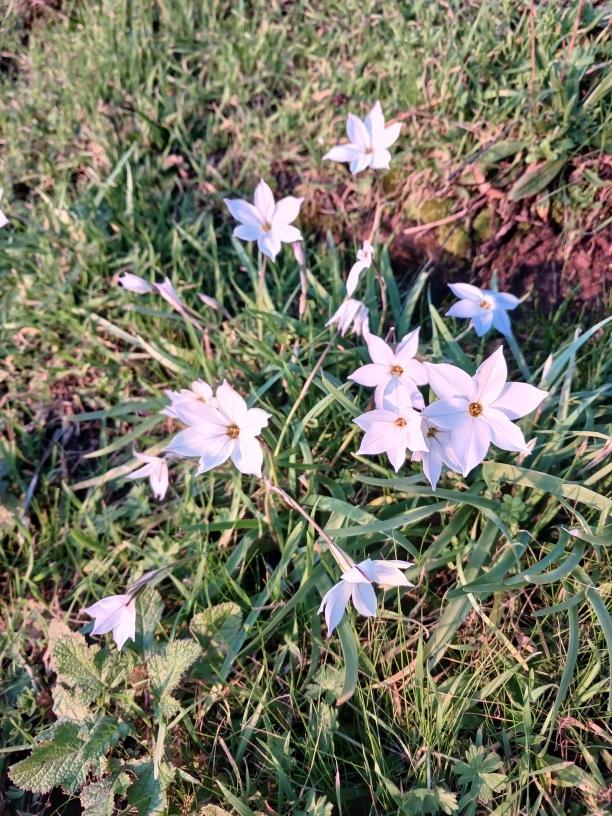
Why not start with the Spring flowers I found at Jo’s memorial bench. Anemones?
October AGM
In my June 2025 newsletter, I gave you the latest news concerning our Spring 2024 grant round and also told you that the Trustees and Senior Advisor Mark Simmonds were to be meeting in person in October to plan for the future. That meeting took place in October in Newcastle-upon Tyne, chosen so as to be near the new seal-rescue facility of our Grantee British Divers Marine Life Rescue (BDMLR). We have been associated with BDMLR for some years and have been impressed by their work, never more so than in October. We were met by their Operations Director Julia Cable to whom many thanks.
The unpredictability of the weather caused by human-induced Climate change has in recent years disrupted the successful breeding of seals. The Northumbrian coast is a crucial breeding ground for Grey seals, for which the coasts of the British Isles comprise a major habitat. The female seals give birth on beaches in the autumn and their pups remain on the beaches until weaned at about a month old and during this time they are very vulnerable. Although some North Sea beaches are remote from human disturbance, the earlier occurrence of autumn storms is causing increased mortality.
The lack of a local rescue centre, motivated BDMLR to apply to us for a grant. We were able to give them £15000 in August 2024, which funded the construction of their North-East Seal Triage Unit into which injured or exhausted seals are brought and assessed. Many then recuperate and can be released into the sea.
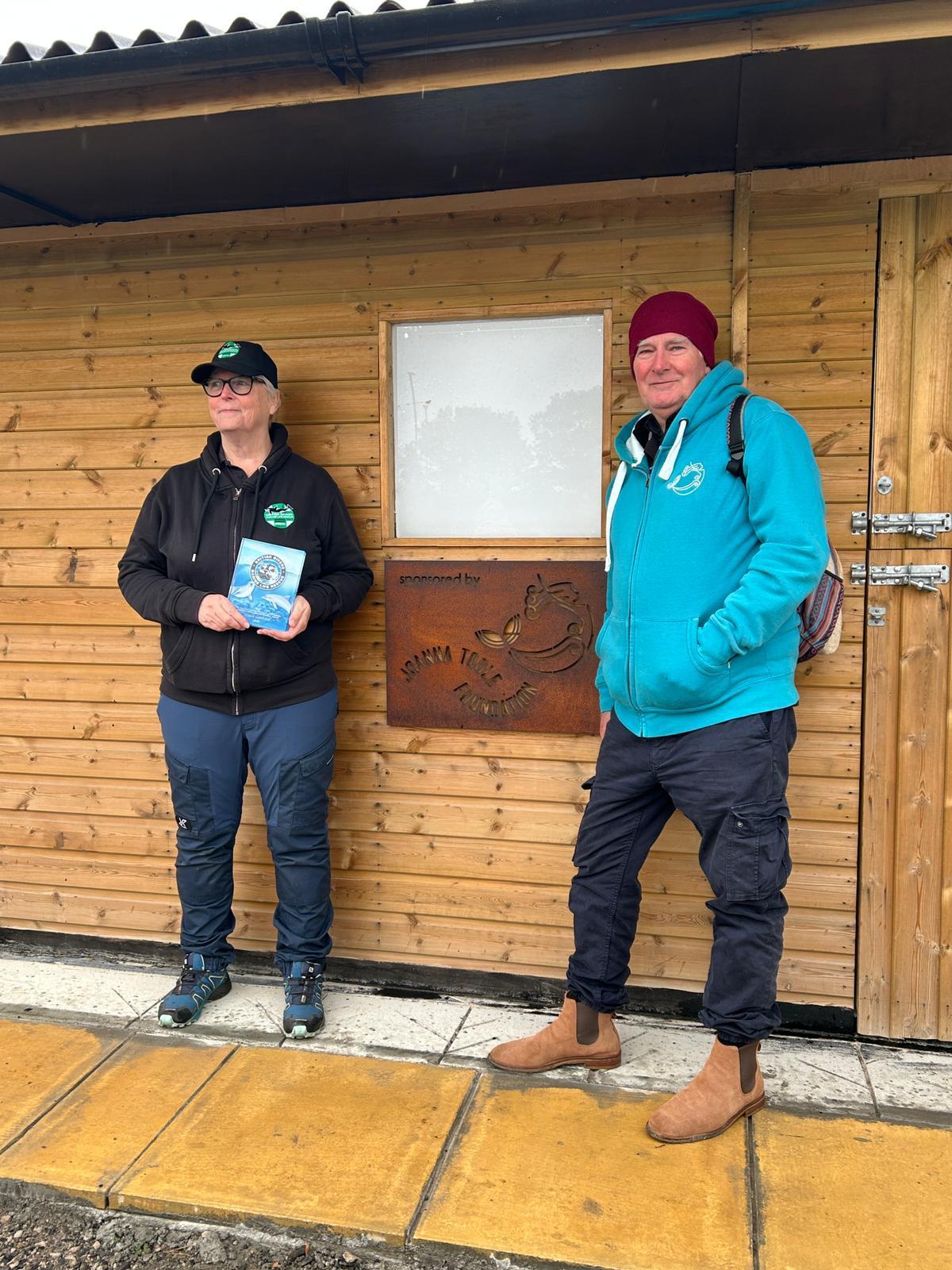
We were surprised to discover that the entire workforce at the unit are volunteers, who, managed by Debbie (pictured with her BDMLR award), manage to provide a much-needed 24-7 facility for these species coping with challenging conditions. As it happened, during our October visit there was only one ‘client’ a Common Seal nicknamed Popeye on account of his having lost an eye. His story can be read below:
https://bdmlr.org.uk/one-eyed-seal-returns-to-the-wild
Your Trustees found the visit well worthwhile and acting on information gleaned, we were pleased to supply quickly thereafter a further grant for the purchase of heat-mats.
AGM and 25-26 Grant Round
In addition to our AGM, at which Nigel Gooding was re-appointed as Treasurer and myself as Chair, we took a decision on the next round of grants. Rather than advertise widely for applications, we decided to take a more strategic approach. We’d long acknowledged that, inclusive as a scattergun approach might be, there will always be a need for animal rescue centres and support for those, although necessary, will be unlikely to reduce the need in future. We recognised that some of the projects supported in 2024, were ongoing and might well need more support. Some of those were sophisticated and innovative attempts to permanently reduce threats, largely human-induced, to whole populations of animals.
We had received reports from all the 2024 grantees so we asked them if their projects needed more finance. From the process we omitted Ethical Seafood Research because their grant had been delayed. To the original list we had added two new contenders: The Civet Project Foundation because Joanna had been involved in a related campaign during her time with WAP and Crustacean Compassion because as a result of monitoring their campaign, we felt they deserved support.
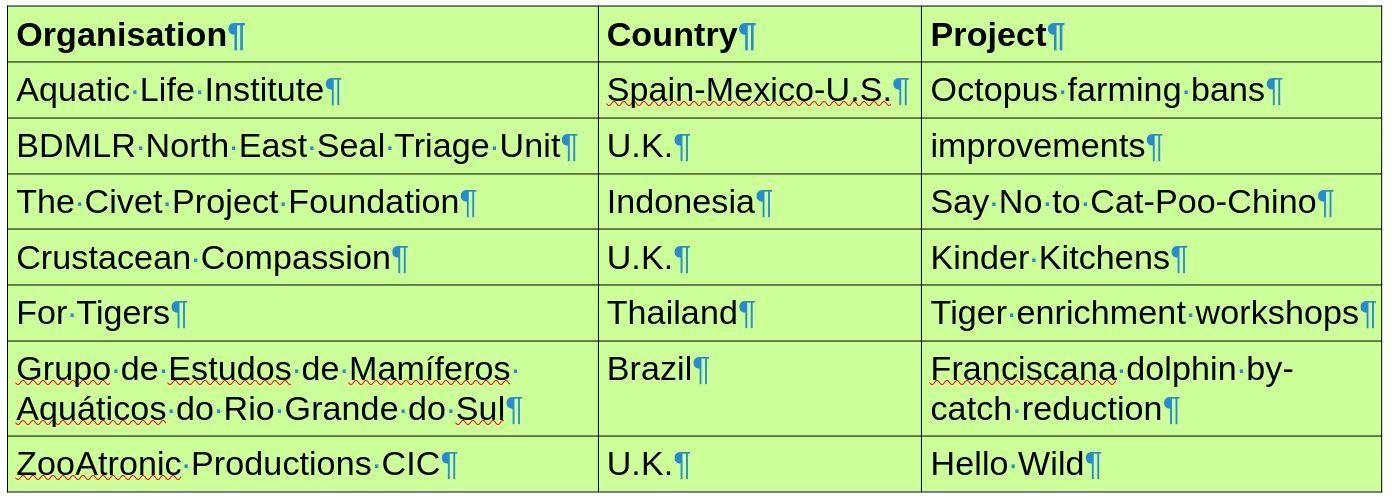
Over the succeeding months therefore we evaluated those responses and decided where our money would be best spent so as to achieve lasting advances in animal welfare. This process is now complete and the final 2026 list, with which your Trustees are very happy, is below.
The total grant amount is £71300, which Treasurer Nigel has spent many hours struggling with international payment systems to distribute. Our thanks to him.
In the Summer 2025 newsletter, I described the activities of several Grantees in that round and promised to provide details on more in future.
Grantee Campaigns
I will describe Grantee campaigns that I have not previously covered. Why not research further these organisations for yourselves?
Animal Equality UK
Animal Equality UK was one of our 2024 Grantees. We supported one specific part of their campaign against fish farming practices in Scotland. Their words from their Website:
‘The Scottish salmon industry is facing a growing crisis. For years, salmon on farms have been dying in their droves. Millions perish on farms each year due to predation, lice infestations, disease outbreaks, violent ‘treatments’, and warming waters – before even reaching the slaughterhouse. Animal Equality is campaigning for the Scottish Government to hold the salmon industry accountable and cease granting planning permissions for new fish farming facilities in Scotland.’
They do not wish me to disclose more.
Center for Animal Law Studies (CALS) at Lewis & Clark Law School
Another of our 2024 Grantees, CALS run a unique course on Aquatic Animal Law. Again in their words:
‘Your support allows us to honor Joanna’s legacy by equipping the next generation of lawyers and advocates with the knowledge and tools to advance protections for animals whose suffering is too often overlooked. Over the past year, the grant has supported two course sessions: one offered in person during the spring 2025 semester and another underway online in fall 2025. This course remains the only one of its kind, focusing specifically on the ethical, environmental, and legal issues surrounding aquatic animals. After 11 students completed the spring course, 27 students are currently taking the fall online course. Under the expert guidance of Professor Hira Jaleel, students examine legal protections (or the lack thereof) for aquatic animals in the wild, in food systems, in research, and in entertainment. Topics include federal and state legislation, international developments, and emerging issues such as octopus farming, the ethics of aquaculture and research use, and our evolving understandings of aquatic animal sentience.
As Professor Jaleel explains:
'In terms of sheer numbers, aquatic animals are some of the most exploited on the planet. They are routinely housed in small tanks and aquaria, subjected to invasive research, and fished and farmed by the billions. Their invisibility under the law only contributes to their suffering. The course encourages students to consider what would change if aquatic animals were legally treated as sentient beings, as opposed to “resources,” “alternatives,” or “sustainable food.” Through the course, students approach aquatic animal protection through a fresh perspective: one that treats these animals as individuals and centers their interests in educating the next generation of animal law advocates and advancing animal protection through the law. The course is as much about examining the current state of aquatic animal law as it is about imagining what the law could be.’
Tigers4Ever
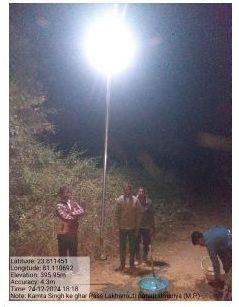
Another 2024 Grantee, The JTF funded the installation of solar-powered streetlights in villages in Bandhavgarh National Park, India. As well as providing the obvious benefits to villagers, it had been found that wildlife avoid villages with street lighting.
Tigers4Ever have highlighted a fast-emerging animal welfare issue, that of escalating human-wildlife conflict in countries where national parks and associated wildlife corridors have been established but there has not been the resources to mitigate losses or sometimes even failure to recognise that the human population can be adversely affected. In Bandhavgarh, farmers crops are being devastated by elephants and other browsers and livestock killed by carnivores. The lives of the villagers themselves are at risk and they retaliate as best they can, leading to the deaths of the very animals that the National Park was established to protect.
Tigers4Ever are active in ensuring the residents get rapid compensation for their losses but this is not sufficient action. In a recent incident a herd of 13 wild elephants were poisoned after they raided crops persistently in villages surrounding Bandhavgarh’s forest habitat. Only 3 elephants survived! The street lights were urgently needed and the Joanna Toole Foundation lights were installed in 20 villages. In the words of their report:
‘So far, they have had outstanding outstanding results with no reported incidents of wildlife conflict in the villages where installation has happened. And these villages were the worst affected by tigers predating cattle and sometimes people, plus elephants taking crops. Thanks to you and your very kind support, we were able to install another 25 streetlamps in December at vulnerable villages in Bandhavgarh and also at some patroller camps that had suffered recent wildlife attacks.’
GGGI News
Your Trustees also decided to continue our support of GGGI, the organisation that Jo & Claire initiated back in their WSPA days. This year we will be supporting the Joanna Toole Internee to the amount of $30k. Their newsletter is always an encouraging read and you can sign up to it from here:
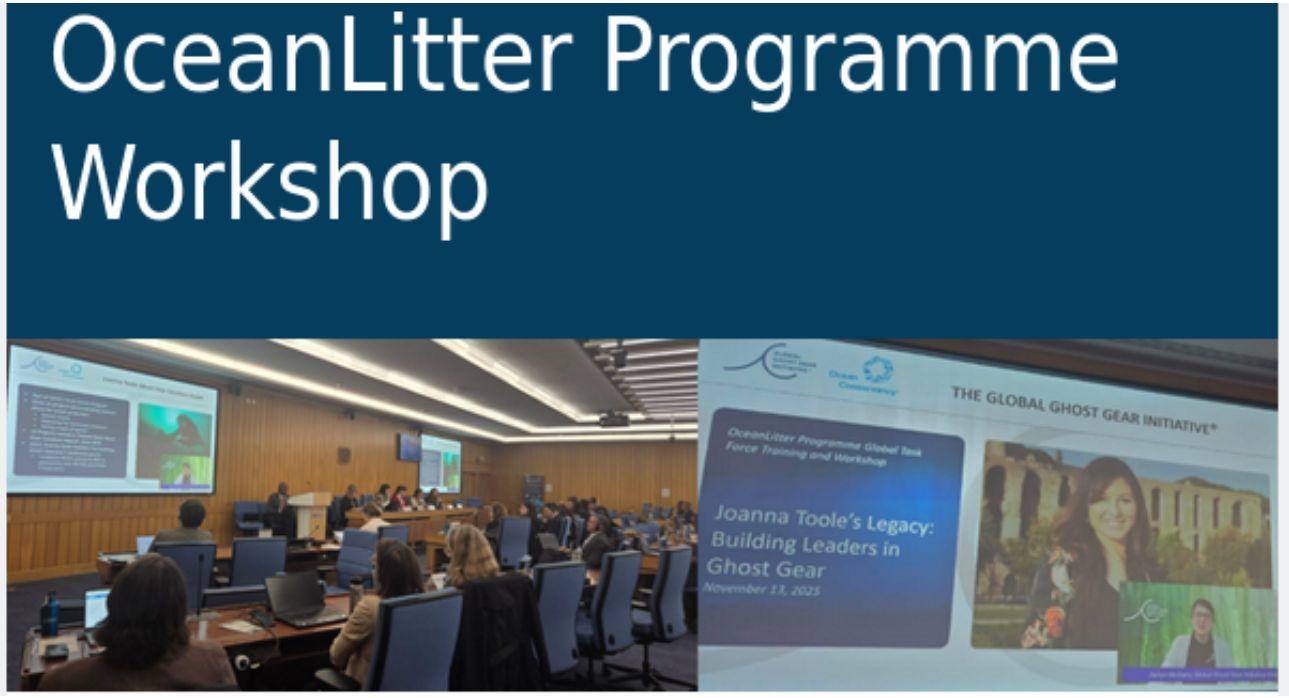
‘In August 2025 the GGGI became a Strategic Partner with the OceanLitter Programme, which is implemented by the International Maritime Organization (IMO) and the United Nations Food and Agriculture Organization (FAO). This program enables developing countries and the global community to prevent and reduce marine plastic pollution from sea-based sources, including abandoned, lost, or otherwise discarded fishing gear. GGGI participated virtually in IMO’s Global Task Force Training & Workshop “From Commitment to Action on Marine Plastic Litter from Sea-Based Sources” hosted at IMO headquarters in London, England, from November 12 to 14. Moderated by GGGI’s Expert Advisory Council (EAC) Member, Dr. Kirsten Gilardi, this training and workshop session aimed to enhance the capacity of over 30 Member States, strategic partners, donors, and the private sector by sharing the latest research, technologies, and policy approaches to address marine plastic litter from sea-based sources. GGGI’s Program Manager, Jaclyn McGarry, and Global Policy Lead, Hannah Pragnell-Raasch, were among the participants attending virtually. In celebrating the role of women, research and technologies, in tackling marine plastic litter from the shipping and fisheries sectors, Jaclyn honored the legacy of GGGI’s Cofounder, Joanna Toole, by presenting on how the GGGI keeps her memory alive through our small grants program, and our Joanna Toole Internship. ‘ Great to see this!
Sponsored Intern
From GGGI/Ocean Conservancy’s Jaclyn McGarry:
‘Dear Adrian, Thank you so much for the fantastic news! We are so thrilled to hear about the Joanna Toole Foundation’s continued support for the GGGI and for the Joanna Toole Internship... Regarding updates on both the internship and the small grants program, which you have previously supported. (We’ve just closed our 2026 application cycle and received 46 applications from nearly 30 countries! Our largest-ever pool of applications by far.) We are looking forward to seeing a few of these projects implemented, and will continue to ensure that the project designated as the “Joanna Toole Solutions Award” continues to have a strong emphasis on supporting women-led initiatives and wildlife. Thank you again for your dedication to our work. We are so grateful to have the Joanna Toole Foundation’s support.’
I believe that their successful intern will be in place only at the start of the summer and I will have news on this in due course.
Previous Projects
This is Jaclyn’s report on the projects funded in Joanna’s name in the previous year:
‘...The first project, “Maruhlo” by Instituto Ecomar in Brazil is nearing completion. They have expanded their efforts to remove lost fishing gear from 4 new biodiversity hotspots on the coast, and are working with local artisans to turn used nets into new products which can be sold to further support Instituto Ecomar’s efforts in the region. (I’ve attached a few photos of their work to this email.) ...This project is funded by the government of Norway, but given that it bears Joanna’s name, I thought you would be interested in hearing their success. Our other Joanna Toole Award—the Tunisian Taxonomy Association, experienced some delays on the front end of their grant. This was in part due to delays on Ocean Conservancy’s part ... as well as factors outside of AUTAX’s control. They have been very flexible partners and adapted to changing circumstances for their project, but we would like to grant them an extension to allow them to utilize their full field season as they’d originally envisioned for the project. Does the Joanna Toole Foundation give permission for us to award a one year, no cost extension to ATUTAX? (Project would end in December 2026?) I can, of course, provide you and your team with updates from the project, ....’
I agreed to the extension.
Our Finances
Another decision taken in October was to withdraw our investments from Tribe Impact Capital. I have written about this relationship before; unique amongst wealth managers, Tribe are trailblazers in Impact Investing. They implement strict criteria for the organisations & funds into which they recommend for investment. These criteria derive from the UN Sustainable Development Goals (SDGs).
Their services therefore are for clients who want their investments to mirror their own social and environmental values. They measure both financial and sustainable performance against a range of benchmarks and certainly in terms of carbon generation an investment with Tribe produced only half the emissions that the benchmark MSCI ACWI would have done.
So a success however the financial return was less impressive. Charity Trustees in England have in recent years been permitted to invest according to principals other than pure financial returns. Decades ago this was not the case and we might have been acting illegally by investing with Tribe. Generations of Charity Treasurers, along with anyone else who was prudent with their money followed tradition and put funds exclusively into UK Gov. bonds known as consols. It was those that supported the lifestyles of Bertie Wooster and drones of his kind.
Your Trustees however were keen that their investments actually supported causes aligned with our core principals and hence Tribe. Last year however we decided that the poor financial returns from Tribe, made this relationship insupportable and we are now to rely on cash accounts only. We are grateful however to the team at Tribe for their excellent service and support over the past few years.
And Finally
I have been reading Gilbert White’s ‘The Natural History of Selborne’. These are remarkable and unique day-to-day observations by a country curate and amateur naturalist living in Hampshire in the 18th century. Printed in the form of a series of letters from White to regular correspondents, the book was 1st published in 1789 and has never been out of print since.
There are parallels between his lifetime’s work and that of Frenchman Jean-Henri Fabre, a naturalist, more specifically an entomologist, who broke new ground in his behavioural observations of insects. Fabre conducted all his studies in his back garden, White in his home village.
White worked 100 years before Fabre and thus was a real scientific pioneer. Although his observations extended to botany and to the, often bizzare, customs of his fellow villagers, his main passion was for ornithology. Inevitably his work now seems dated (he breaks in Latin at times) and some of his theories have not stood the test of more rigorous science, he believed for example that swallows hibernate!
I find myself disturbed however by the frequency with which his subjects are killed for his examination. He did not of course have the benefit of photography for identification but there is hardly a page on which some or other animal is not shot or otherwise dispatched. This was sometimes for dissection but also sometimes for food or even just for convenience. It opened my eyes to the fact that our wildlife was so much more plentiful in his day and also to the extent to which our ancestors, at least the rural ones, relied on harvesting wildlife for food.
As for the birds, he seems quite happy to shoot ones that he recognises are very rare and for the table whole flocks are harvested. This regarding fieldfares:
‘..and besides, the larkers, in dragging their nets by night, frequently catch them in the wheat-stubbles; while the bat-fowlers, who take many red-wings in the hedges...’
I can’t imagine the necessity that impelled people to catch bats!
Occasionally he seems to regret the killing but he and his fellow Christian villagers seem to have no concept of the sanctity of life. For example:
‘About this time his cat kittened and the young were dispatched and buried.’
and
‘In June last I procured a litter of four or five young hedge-hogs, which appeared to be about five or six days old…’
Possibly he returned them to their nest, but he doesn’t say so.
I plan to visit Selborne where the vicarage is now a museum. That’s well enough from me for now; thank you for your continued support. Adrian.
Trying to Cut down on the number of speculative grant applications I have to fend off, I want to clarify: we have no plans yet for any further grant rounds.